The Danakil Depression is one of the most extraordinary and extreme landscapes on the planet. Sitting in the Afar region of north-eastern Ethiopia, it lies around 125 metres below sea level and ranks among the hottest inhabited places on earth. Here, the ground hisses with sulphur, neon-yellow acid pools bubble beside emerald springs, salt stretches to the horizon, and a volcano holds one of the world's only permanent lava lakes.
This is not a destination for casual sightseeing. Visiting the Danakil is a genuine expedition into a harsh and remote environment, and it must be done with an organised tour. But for adventurous travellers, the rewards are like nothing else: a chance to walk through scenery so alien it feels like another world, and to glimpse the ancient salt-trading culture of the Afar people.
In this guide we cover exactly what the Danakil is, its unmissable highlights, how tours work, when to go, what to pack, and the safety and comfort realities you need to understand before you commit.
What Is the Danakil Depression?
The Danakil Depression sits at the meeting point of three tectonic plates, in one of the lowest and most geologically active regions on earth. The land is literally being pulled apart, producing volcanoes, hydrothermal fields and vast salt deposits left behind by an ancient evaporated sea.
With temperatures that routinely soar well above 40 degrees Celsius and very little shade or fresh water, this is a place of genuine extremes. It is also home to the Afar people, a resilient pastoralist community who have lived and traded salt here for centuries. Understanding that this is both a working landscape and a fragile environment is key to visiting respectfully.
The Highlights
Dallol: Acid Springs and Impossible Colours
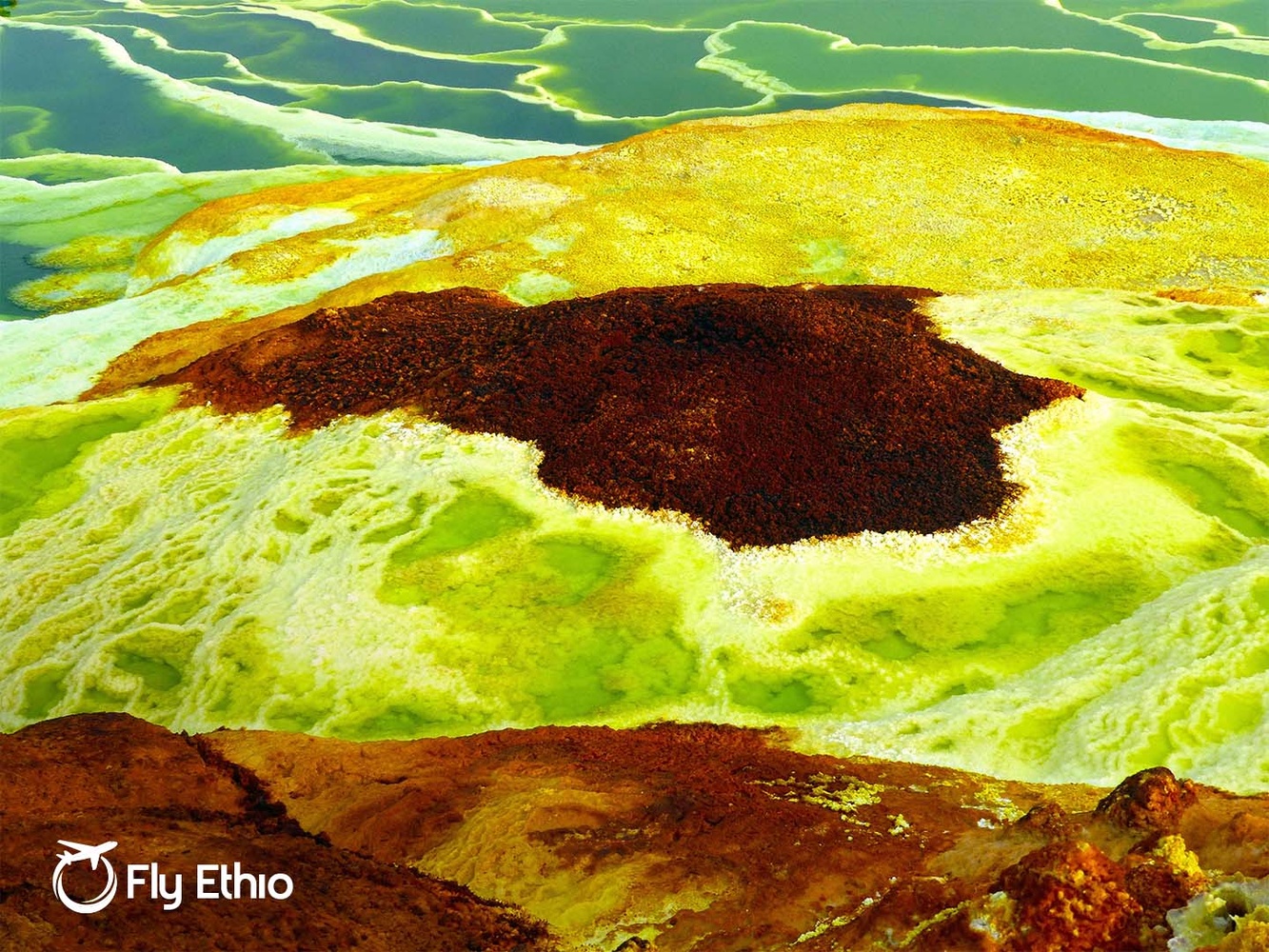
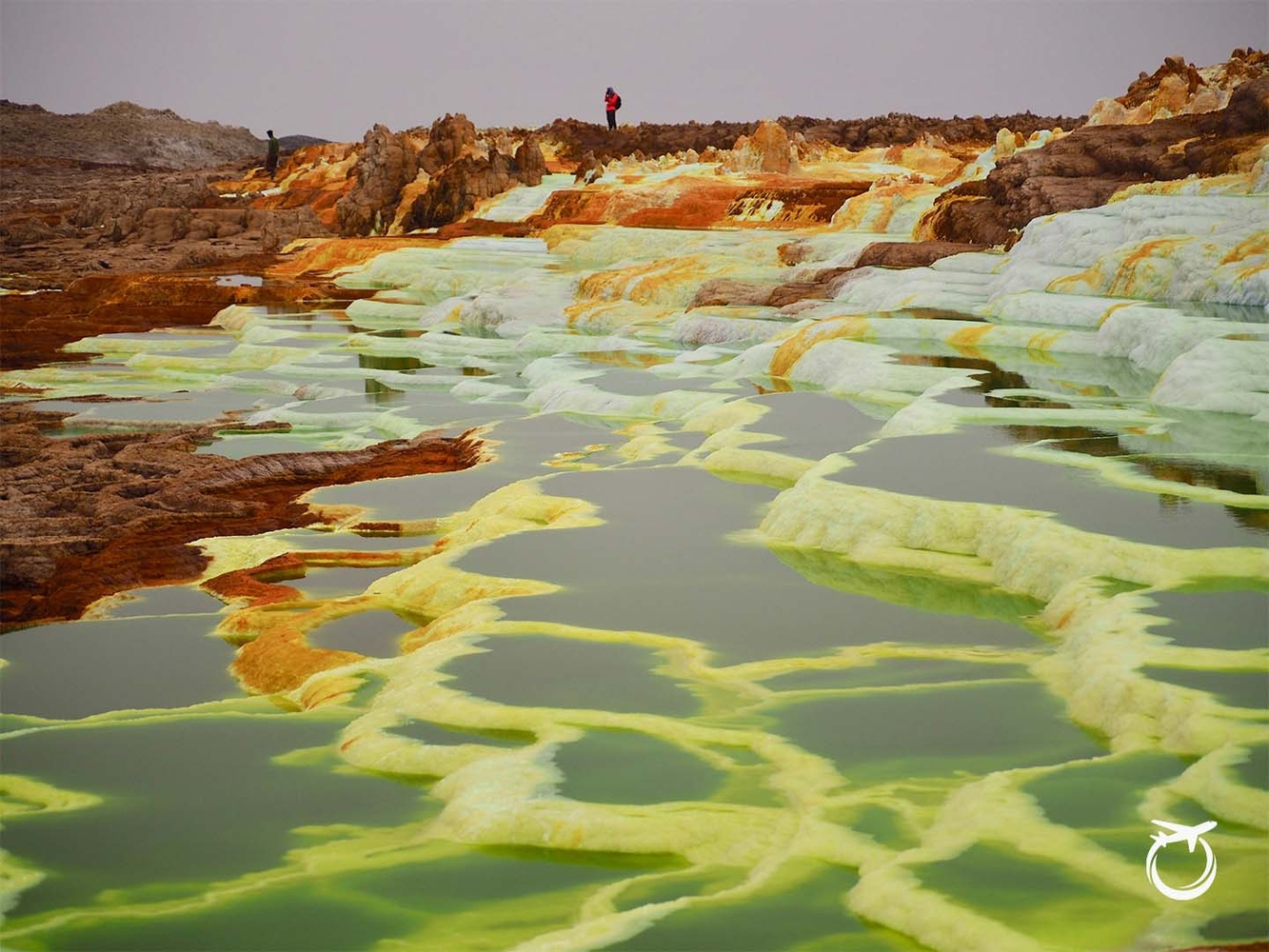
Dallol is the visual showstopper of any Danakil trip. This hydrothermal field is a surreal canvas of acid-yellow, burnt-orange, lime-green and white mineral formations, where superheated springs bubble up through the salt crust. The colours come from iron, sulphur and other minerals, and the scene shifts constantly as the springs flow and crust over. It is genuinely one of the strangest landscapes you will ever stand in — but the ground and pools are corrosive and dangerous, so you must stay close to your guide at all times.
Erta Ale: The Lava Lake Volcano
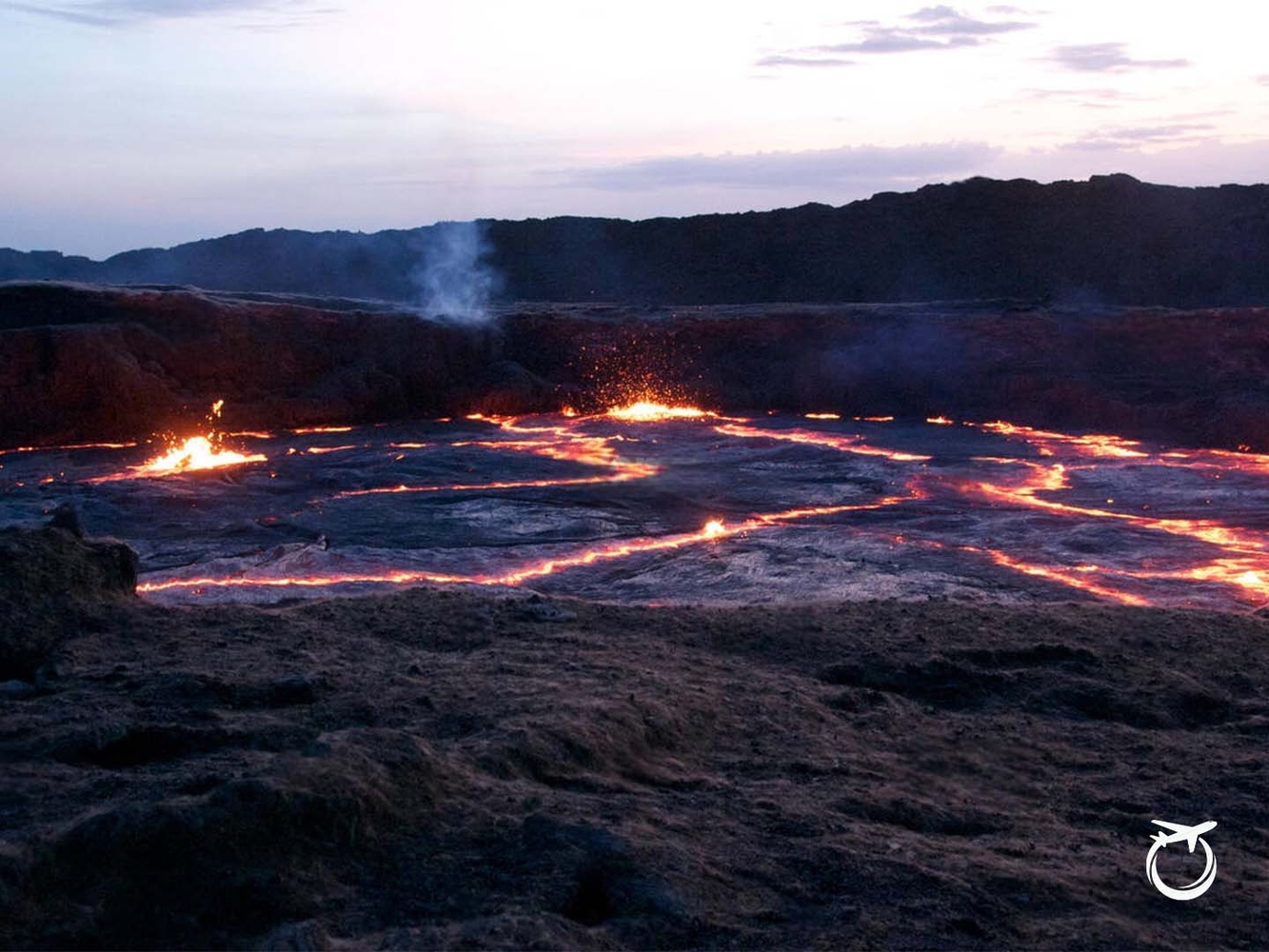
Erta Ale is the other great prize. This shield volcano holds one of the very few persistent lava lakes on earth, and peering down into its glowing, churning crater — usually at night, when the orange molten rock blazes against the dark — is a profoundly memorable experience. Reaching it involves a tough overnight trek across rough volcanic terrain. Note that Erta Ale is an active volcano and access can change depending on its activity, so itineraries are not always guaranteed to include the lava lake.
Lake Asale and the Salt Caravans
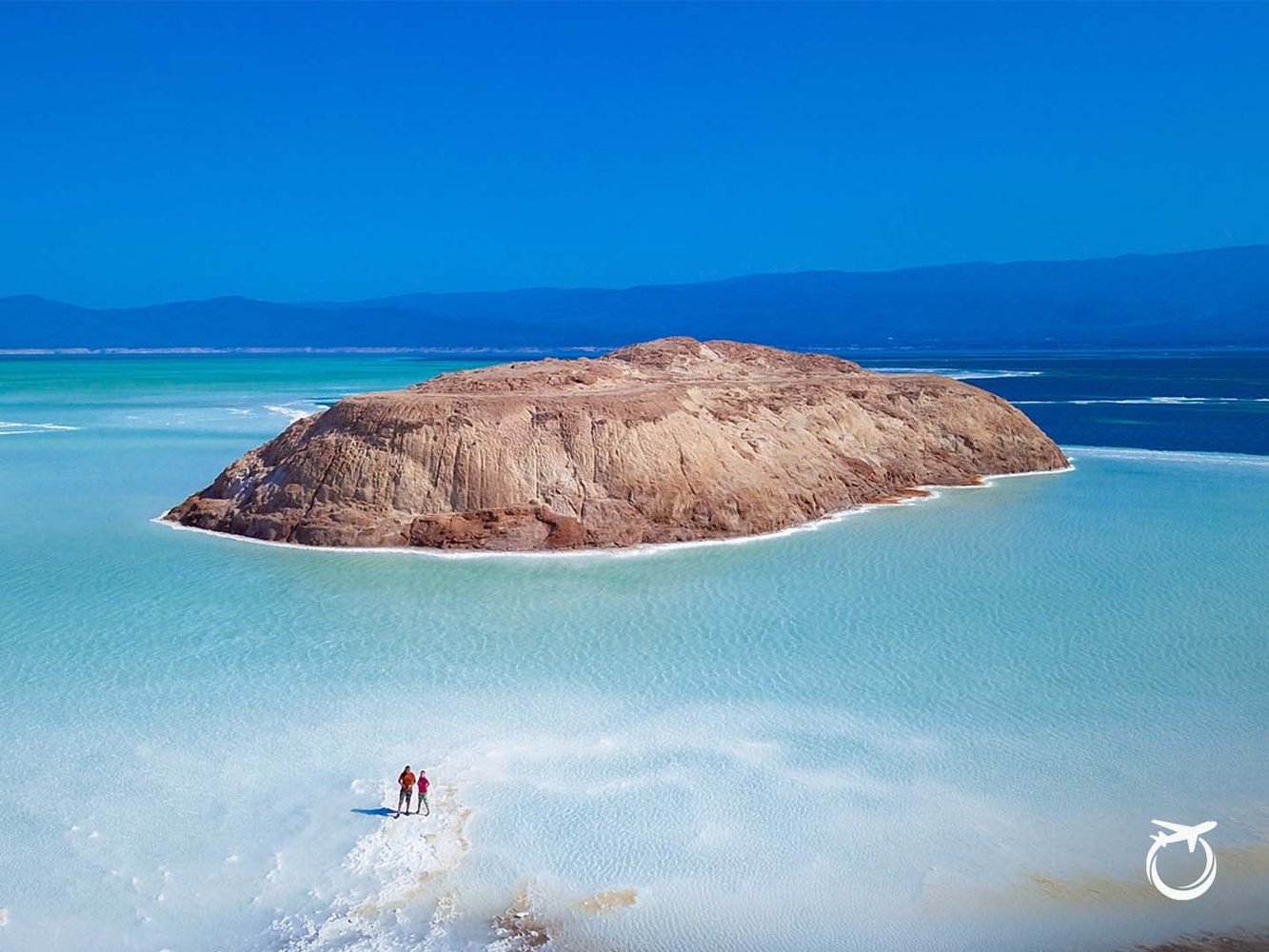
The salt flats of Lake Asale stretch in a blinding white expanse where, for generations, the Afar have cut blocks of salt by hand and loaded them onto long camel caravans. Watching these caravans cross the shimmering flats, much as they have for centuries, is one of the great cultural sights of the region — a living link to an ancient way of life.
You Must Visit on an Organised Tour
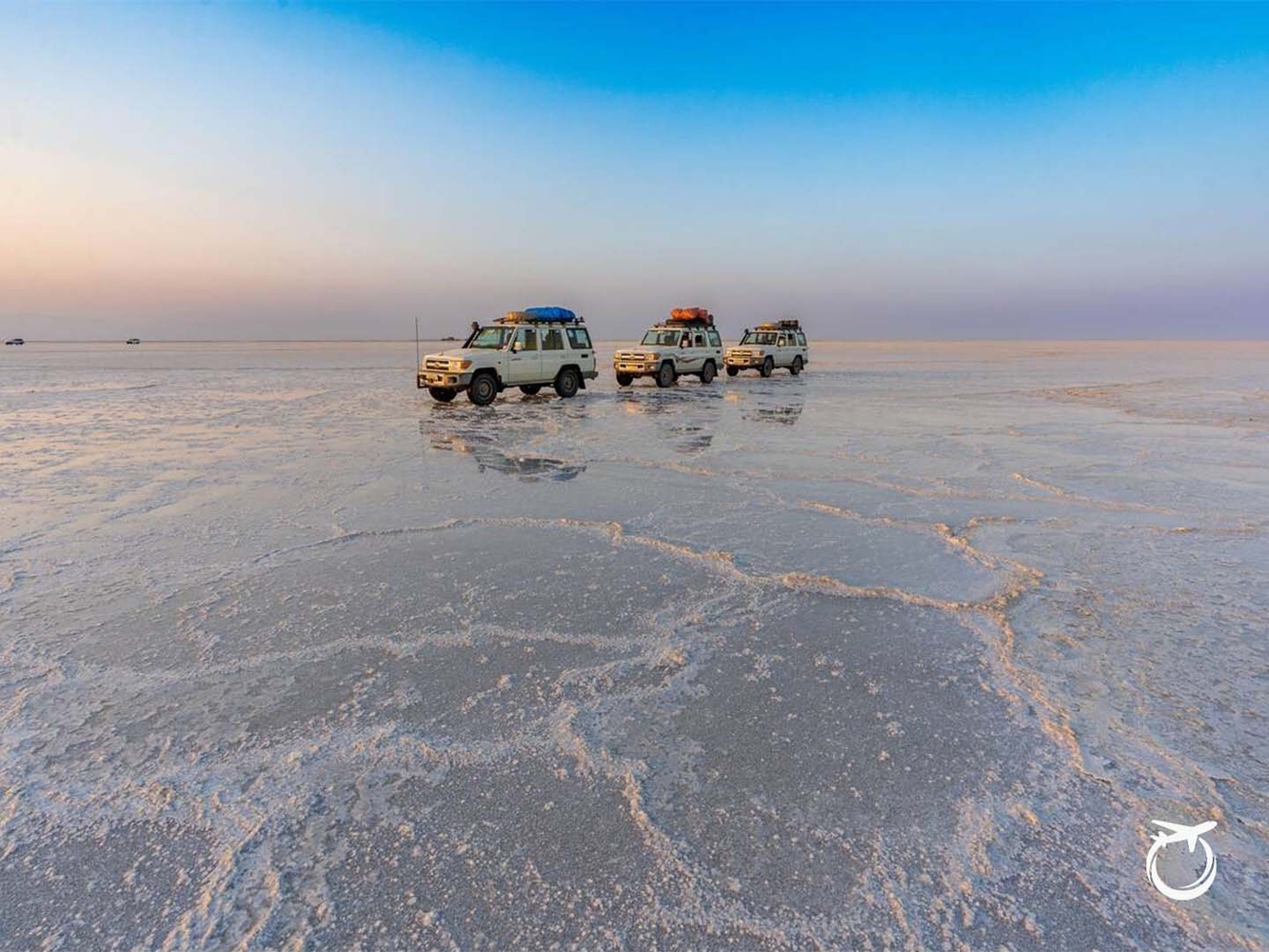
This cannot be overstated: the Danakil Depression is not a place to explore independently. The region is remote, the terrain is hazardous, temperatures are life-threatening, and there are real security considerations near the border areas. For these reasons, visits are arranged exclusively through organised tours that include 4x4 vehicles, experienced guides, local Afar guides, and an armed security escort.
Reputable operators handle permits, logistics, food, water and camping. Going with a trusted tour is the only safe and legal way to experience the Danakil, and it is what we always recommend. Our tour packages can connect you with well-organised Danakil itineraries.
Typical Itineraries
Most Danakil tours run for two to four days and depart from either Mekelle (in the Tigray region) or Semera (the Afar regional capital). A typical longer itinerary combines all the major highlights:
- Day 1: Drive from Mekelle into the depression, descending through dramatic desert scenery to the salt flats area.
- Day 2: Explore Dallol's hydrothermal field and the colourful acid springs, visit the salt flats of Lake Asale and watch the salt caravans.
- Day 3: Transfer toward Erta Ale and trek up to the volcano, camping near the rim to view the lava lake.
- Day 4: Descend and return to your starting city.
Shorter two-day trips focus on either Dallol and the salt flats or on Erta Ale, depending on your priorities and time. To reach the starting points, you can search flights to Mekelle or fly into the region via Addis Ababa with FlyEthio.
When to Go
Timing is critical. The only sensible window to visit the Danakil is the cooler season from November to February. Even then it is extremely hot, but it is just about bearable. Outside this window, from around March onward, temperatures climb to brutal, genuinely dangerous levels, and most operators do not run trips. Do not attempt the Danakil in the height of summer.
What to Pack
Packing for the Danakil is about coping with relentless heat, sun and rough conditions. We suggest:
- Lightweight, loose, light-coloured clothing that covers your skin from the sun
- A wide-brimmed hat, sunglasses and very high-factor sunscreen
- Sturdy closed shoes or boots for sharp volcanic and salt terrain
- Plenty of water and electrolyte salts to stay hydrated
- A headlamp and a thin sleeping mat or liner for camping
- Wet wipes and hand sanitiser — there are no washing facilities
- A scarf or buff to protect against dust and sun
- A power bank, as charging is unreliable or unavailable
Safety and Realistic Expectations
It is important to go in with clear eyes. The Danakil is an adventure, not a comfort holiday. Accommodation is basic open-air camping, often simply mattresses laid out under the stars. There are no proper toilets, no showers and no shops for most of the trip. The heat is constant and exhausting, and the trek to Erta Ale is physically demanding, usually undertaken at night to avoid the worst temperatures.
For safety, always follow your guides precisely — particularly at Dallol, where the acid pools and crust are genuinely dangerous, and at Erta Ale, where the volcano is active. Travel only with a reputable operator that provides the required security escort, and check current travel advice before you book, as conditions in border regions can change.
Respecting the Afar Communities
The Danakil is home, not just a spectacle. The Afar have lived and worked here for centuries, and the salt trade remains part of their livelihood. We encourage travellers to be respectful: ask before photographing people, support local guides and porters, avoid disturbing the salt workers, and tread lightly on a fragile environment. A little courtesy goes a long way and makes the experience richer for everyone.
Ready for the Adventure of a Lifetime?
The Danakil Depression rewards the bold with landscapes found nowhere else on earth — glowing lava, acid rainbows and endless salt under a punishing sun. It demands respect, preparation and the right tour, and that is exactly where we can help. Let FlyEthio arrange your flights and connect you with trusted Danakil operators so you travel safely. Contact us to start planning, or explore our tour packages and book your Danakil expedition today.
Frequently Asked Questions
Can I visit the Danakil Depression on my own?
No. The Danakil is remote, extremely hot and has real security considerations, so it must be visited on an organised tour. Reputable operators provide 4x4 vehicles, guides, local Afar guides and an armed security escort, which is the only safe and legal way to go.
When is the best time to take a Danakil Depression tour?
The cooler season from November to February is the only practical window. Even then it is very hot. From around March onward, temperatures become dangerously extreme and most tours stop running, so avoid the summer months entirely.
How long does a Danakil tour take?
Most tours run for two to four days, departing from Mekelle or Semera. Longer itineraries combine Dallol, the salt flats and the Erta Ale lava lake, while shorter trips focus on one or two highlights.
What are the main highlights?
The standouts are Dallol's surreal acid springs and mineral colours, the Erta Ale volcano with its rare permanent lava lake, the salt flats of Lake Asale, and the traditional Afar camel salt caravans.
What are the accommodation and facilities like?
Basic. Expect open-air camping, often on simple mattresses under the stars, with no proper toilets, showers or shops for most of the trip. Come prepared for rough conditions, intense heat and a genuine expedition experience.
Is it safe, and how much does a tour cost?
With a reputable operator and the required security escort, the Danakil is visited safely by travellers every season. Always follow your guides closely and check current travel advice before booking. Tour prices and permit fees vary and can change, so confirm the latest figures with your operator.